
Step-by-Step Guide to Closing on Your New Home for First-Time Buyers

Closing is the last big step before the home is yours. It can feel paperwork-heavy, but it is manageable when you know what happens next.
This guide walks through the key stages, from prep work to signing day. Use it as a practical checklist. This is general information, not legal or financial advice.

Prepare before the closing process starts
Closing begins before closing day. Once the seller accepts the offer, several moving parts start at once.
Your lender works on final loan approval. The title company or closing agent checks ownership records. The appraisal, inspection, insurance, and loan documents all move toward the same deadline.
A strong start helps you avoid last-minute stress.
Before closing, gather these items:
Government-issued photo ID
Proof of homeowners insurance
Copy of the purchase agreement
Inspection reports and repair agreements
Bank statements or documents requested by the lender
Wire transfer instructions from a trusted source
Contact details for your agent, lender, and closing agent
Keep financial activity steady. Do not open new credit cards, buy a car, finance furniture, or move large sums of money without telling your lender first. Lenders often recheck credit and bank activity before final approval.
Ask your lender when to expect the final loan approval, also called “clear to close.” That is the point when the lender has approved the file and is ready to fund the mortgage, as long as the final paperwork is completed.
Understand your closing costs and fees
Closing costs are the expenses paid to complete the purchase. They are separate from the down payment.
Common closing costs include:
Loan origination or lender fees
Appraisal fee
Credit report fee
Title search and title insurance
Escrow or settlement fees
Recording fees
Prepaid homeowners insurance
Prepaid property taxes
Mortgage interest from the closing date to the first payment date
Homeowners association fees, if the property has an HOA
Many buyers are surprised by prepaid items. These are not random extra charges. They often cover insurance, taxes, or interest that must be paid upfront at closing.
Ask for an estimate early. Your lender provides a Loan Estimate after you apply for the mortgage. Later, you will receive the Closing Disclosure with final numbers.
Practical tip: Keep extra cash available beyond the exact amount you expect to bring. Final figures can shift slightly due to tax prorations, prepaid interest, or recording fees.

Review the Closing Disclosure carefully
The Closing Disclosure is one of the most important documents in the process. In most mortgage purchases, buyers receive it at least three business days before closing.
Read it closely. Do not just scan the total.
Check these sections:
Loan amount
Interest rate
Monthly principal and interest payment
Estimated taxes and insurance
Closing costs
Cash to close
Loan type
Prepayment penalty, if any
Seller credits
Escrow details
Compare the Closing Disclosure to your earlier Loan Estimate. Some changes are normal. Others may need an explanation. If something looks wrong, ask your lender or closing agent right away.
Pay close attention to cash to close. This is the amount you must bring to closing, usually by wire transfer or cashier’s check. Ask the closing agent which payment method they require.
Be careful with wire transfers. Real estate wire fraud is a real risk. Always verify wiring instructions by calling a trusted phone number you already have. Do not rely only on email instructions.
Do the final walkthrough with care
The final walkthrough usually happens within 24 hours before closing. This is not a full inspection. It is your chance to confirm the home is in the agreed condition.
Bring your purchase agreement, inspection repair list, phone charger, and a notepad. Take your time.
Check these items:
Agreed repairs are complete
Appliances included in the sale are still there
Lights, outlets, and major systems work
Plumbing runs and drains properly
Heating and cooling turn on
Windows and doors open, close, and lock
No new damage has appeared
The seller has removed belongings unless agreed otherwise
Garage remotes, keys, and access devices are present or listed for transfer
Run faucets. Flush toilets. Test the garbage disposal. Open cabinets. Look under sinks. Check ceilings for signs of leaks.
If something is wrong, tell your agent right away. Some issues can be fixed before closing. Others may lead to a repair credit, escrow holdback, or delayed closing. Do not ignore a serious issue just because the finish line is close.

Know what happens on closing day
Closing day is when you sign the final documents, pay the required funds, and complete the transfer.
The exact process varies by state. In some states, buyers and sellers sign separately. In others, everyone may meet with the closing agent. Some closings allow remote or mobile notary signing, but many still happen in person.
Bring:
Photo ID
Cashier’s check, if required
Proof of wire transfer, if you wired funds
Any documents requested by the lender or closing agent
Your personal checkbook, if a small adjustment is needed
You will sign many documents. Common ones include the promissory note, mortgage or deed of trust, closing disclosure, escrow forms, tax forms, and title documents.
Take your time. Ask what a document means before signing if it is unclear. Good closing agents are used to questions.
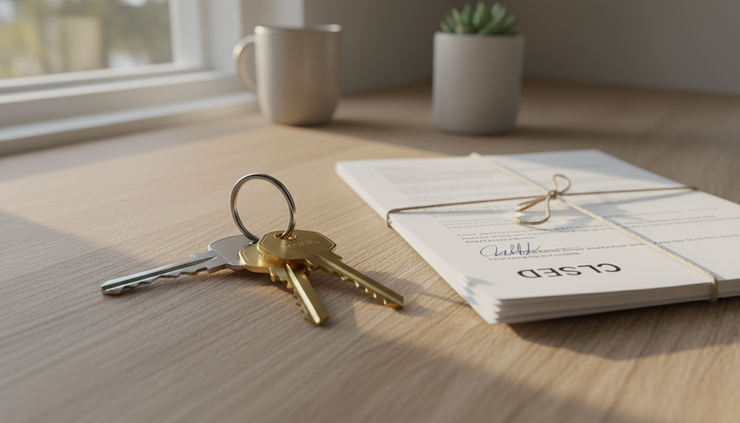
After signing, the lender must fund the loan. The deed must also be recorded with the county. Depending on local rules and timing, you may get keys right away or later that day.
Once you receive the keys, save your closing packet. It includes documents you may need for taxes, insurance, refinancing, or a future sale.
FAQ
How long does closing usually take?
Many home purchases close in about 30 to 45 days after the offer is accepted. Cash purchases may close faster. Loan issues, appraisal delays, title problems, or repair disputes can add time.
Can closing costs be negotiated?
Yes, some costs can be negotiated. A seller may agree to pay part of the buyer’s closing costs. Some lender fees may vary by lender. Taxes and government recording fees usually cannot be changed.
What should I do if the final walkthrough finds a problem?
Tell your real estate agent right away. Do not wait until after signing. The solution may be a repair, seller credit, escrow holdback, or closing delay.
When do I get the keys?
You usually get keys after signing, funding, and recording. The timing depends on your state, county recording process, and the terms of the purchase contract.
Take the final step with confidence
Closing on a first home brings a lot of details together at once. The best approach is simple. Stay organized, review every number, ask questions early, and inspect the home before signing.
If you want help understanding the process or preparing for your purchase, contact Ask Real Advisors for clear guidance before you close.


Comments