.png)
What to Look for During a Home Tour
- Christopher Kiper

- Jun 3
- 2 min read
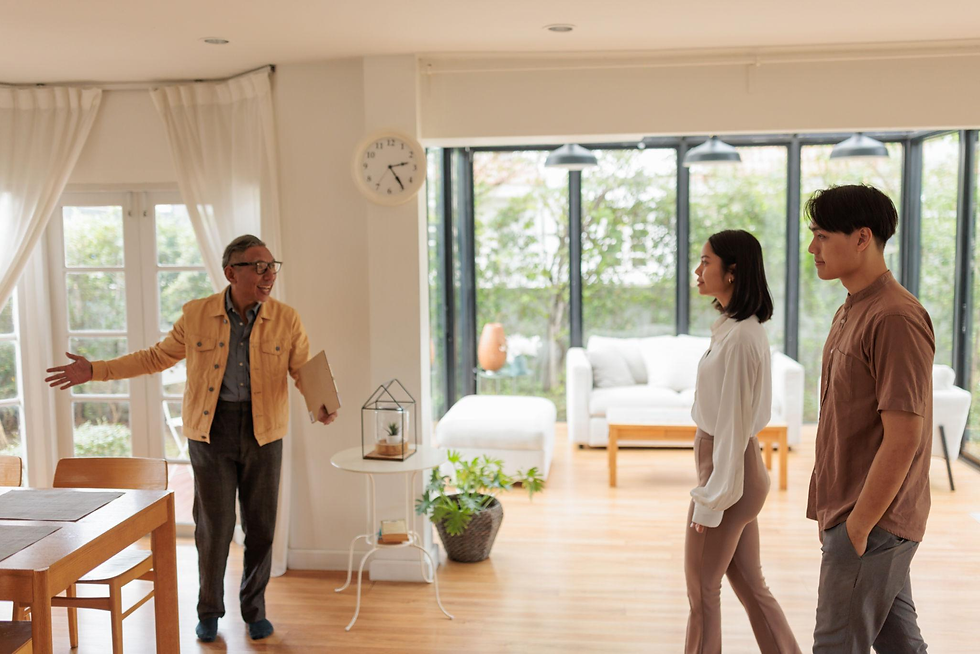
A home tour is your opportunity to evaluate a property beyond its photos and online description. While attractive staging and décor can make a great first impression, it's important to focus on the home's condition, functionality, and long-term suitability.
1. Check the Overall Condition
Pay attention to signs of deferred maintenance, including:
Cracks in walls or ceilings
Water stains or discoloration
Uneven flooring
Damaged roofing or gutters
Peeling paint or deteriorating exterior surfaces
These issues may indicate larger underlying problems.
2. Evaluate the Layout
Consider whether the floor plan fits your lifestyle. Ask yourself:
Is there enough living space?
Are the bedrooms appropriately sized?
Is the kitchen functional?
Is there adequate storage?
Will the layout work for your future needs?
A beautiful home may not be practical if the layout doesn't suit your daily life.
3. Inspect Windows and Doors
Open and close several windows and doors. Check for:
Proper operation
Drafts or air leaks
Signs of moisture damage
Broken locks or hardware
Well-maintained windows and doors contribute to comfort, security, and energy efficiency.
4. Look for Water Issues
Water damage can be expensive to repair. Watch for:
Musty odors
Mold or mildew
Soft spots in floors
Stains on ceilings or walls
Poor drainage around the property
These signs may indicate current or past moisture problems.
5. Test Lighting and Electrical Features
Turn on lights and check electrical outlets when possible. Look for:
Sufficient lighting
Updated electrical panels
Modern wiring
Adequate outlet placement
Electrical upgrades can be costly if needed after purchase.
6. Examine the Kitchen and Bathrooms
These are often the most expensive rooms to renovate. Check:
Cabinet condition
Countertops
Plumbing fixtures
Water pressure
Appliance age and condition
Signs of leaks under sinks
A thorough review can help you estimate future maintenance or renovation costs.
7. Assess Storage Space
Storage is often overlooked during tours. Examine:
Closets
Pantry space
Garage storage
Laundry areas
Attics and utility rooms
Adequate storage can significantly improve daily living.
8. Evaluate the Neighborhood
During your visit, observe:
Traffic levels
Noise levels
Nearby amenities
Property maintenance in the area
Future development activity
Remember that you're buying into both the home and the surrounding community.
9. Consider Natural Light and Ventilation
Visit different rooms and note:
Sunlight exposure
Airflow
Window placement
Overall brightness
Natural light can affect comfort, energy usage, and resale value.
10. Take Notes and Photos
After viewing multiple properties, details can become difficult to remember. Take notes about both positive and negative observations so you can make informed comparisons later.
Final Thoughts
A home tour should be about more than attractive finishes and décor. Focus on the property's condition, functionality, maintenance needs, and location. By carefully evaluating each home and asking the right questions, you'll be better prepared to make a confident and informed home-buying decision.


Comments